My First Thanksgiving: A Designer’s Stitch Review
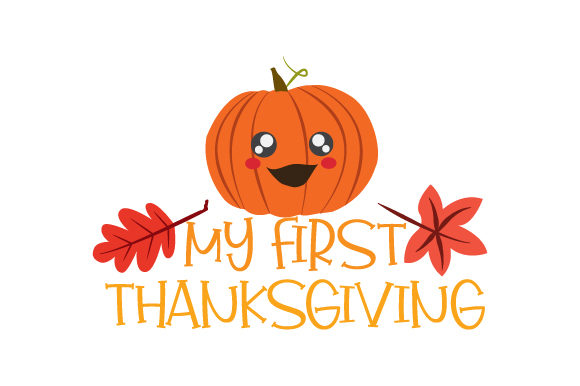
As an embroidery designer who has spent countless hours digitizing and testing files for client projects, I approach every new machine embroidery design with a critical eye. It is not just about whether the image looks cute on a screen; it is about how those stitches lay down on fabric, how the tension holds up after washing, and whether the final finished product delivers the professional quality my customers expect. Recently, I evaluated My First Thanksgiving, a charming design featuring a smiling pumpkin and festive lettering, to determine its viability for real-world crafts and commercial use.
First Impressions and Visual Personality
The initial appeal of My First Thanksgiving lies in its simplicity and warmth. The central motif—an adorable smiling pumpkin surrounded by leaves—exudes a friendly, approachable mood that is perfect for the holiday season. For designers and Etsy sellers, this visual personality is crucial. It does not scream for attention with aggressive complexity; instead, it invites a smile. This makes it an ideal candidate for baby embroidery projects, where softness and approachability are key selling points.
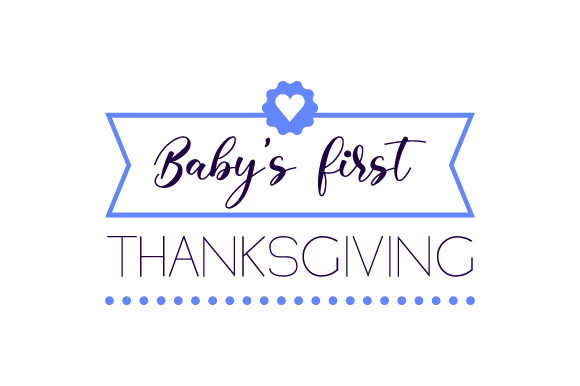
The layout balances the graphic element of the pumpkin with the textual quote, "My First Thanksgiving." From a compositional standpoint, this balance is vital. If the text were too small, it would become illegible when stitched out. If the pumpkin were too large, it might overwhelm a small garment. In my assessment, the proportion seems well-considered for standard baby apparel, such as onesies or small t-shirts, ensuring that both the image and the message remain clear and readable.
Real-World Application: The Baby Onesie Test
To truly understand the value of this embroidery file, I imagined a specific scenario: a custom order for a grandmother wanting a personalized gift for her grandchild’s first holiday gathering. The chosen item was a soft, organic cotton onesie. This is a common request for small shop products and boutique brands.
In this context, My First Thanksgiving performs exceptionally well. The smiling pumpkin acts as a focal point that draws the eye, while the text provides the sentimental value that drives sales in the personalized gift market. When stitched onto light-colored cotton, the thread colors of the pumpkin—typically oranges, yellows, and greens—pop vibrantly against the background. The design feels intentional and polished, elevating a basic garment into a keepsake item. For handmade product creators, this transition from blank canvas to cherished memory is where the profit margin and customer satisfaction lie.
Versatility Across Product Lines
Beyond baby clothes, this design has potential across various custom apparel and home decor items. I considered its application on a canvas tote bag design for a fall farmers' market run. Here, the durability of the stitch becomes more important. The pumpkin’s shape suggests the use of fill stitch for the body and potentially satin stitch for the leaves and stem, depending on the digitizer’s choices. These stitch types generally hold up well on heavier fabrics like canvas or denim.
For sweatshirt embroidery, the design offers a cozy, seasonal aesthetic. However, one must be mindful of the fabric texture. Fleece and terry cloth can swallow small details. If the leaves in My First Thanksgiving are finely detailed, they might lose definition on a plush sweatshirt unless the stitch density is adjusted or a topping stabilizer is used. This is a practical consideration for any embroidery project involving textured materials.
Technical Considerations for Stitchers
While the design is visually appealing, technical execution is where many projects succeed or fail. As a reviewer, I advise checking several factors before loading this digital embroidery file into your machine.
- Hoop Size Compatibility: Ensure the design fits comfortably within your chosen hoop. For baby items, a 4x4 or 5x7 hoop is standard. Verify that the dimensions of My First Thanksgiving allow for proper placement without hitting the hoop edges, especially if you are adding names or dates later.
- Stabilizer Selection: For stretchy fabrics like knit t-shirts or onesies, a cut-away stabilizer is non-negotiable. It provides the necessary support to prevent puckering around the running stitch outlines and fill areas. Without proper stabilization, even the best design will look amateurish.
- Thread Contrast: Test the design on both light and dark fabrics. On dark garments, you may need to adjust thread colors for visibility or use an underlay to ensure the pumpkin stands out. A black-and-white mockup test can help identify contrast issues before you waste thread.
- Detail Clarity: Inspect the small details, such as the pumpkin’s eyes and mouth. If these are very small, they may require precise tension settings. Always stitch out a test on scrap fabric similar to your final material to check for thread breaks or nesting.
Navigating Challenges in Commercial Embroidery
For those using this design in commercial embroidery or as part of their craft business inventory, awareness of limitations is as important as knowing strengths. Curved surfaces, such as caps or hats, present a challenge. The flat layout of the pumpkin and text may distort if not hooped correctly with a cap frame. Additionally, if the design includes dense stitching in the pumpkin’s center, it could create stiffness on thin fabrics, which might be uncomfortable for a baby’s sensitive skin.
Another consideration is washability. Items labeled as "first" milestones are often kept as souvenirs, but they are also subjected to frequent washing. High-quality threads and proper backing ensure that the embroidered patch effect remains intact after multiple cycles. Advising customers on care instructions adds a layer of professionalism and trust to your brand.
Enhancing Brand Consistency and Value
Incorporating My First Thanksgiving into your product line can strengthen your brand’s seasonal offerings. It aligns well with themes of family, tradition, and warmth. For design assets libraries, having reliable, tested files like this allows for quicker turnaround times during the busy holiday rush. It also provides excellent content for printable mockups and social media previews, helping potential buyers visualize the final product.
When listing this item, whether as a finished good or a digital download, transparency is key. If you are selling the applique design or standard embroidery file, clearly state the recommended hoop sizes and fabric types. If you are selling the finished holiday embroidery item, highlight the quality of materials used. This builds customer confidence and reduces return rates.
Final Verdict for Makers and Designers
My First Thanksgiving is a solid addition to any autumn-themed collection. Its strength lies in its emotional resonance and versatile scale. It is not overly complex, making it accessible for hobbyists, yet it possesses enough charm to satisfy discerning clients looking for unique small business merchandise.
Before committing to a large batch, always verify the specific file formats and license terms provided with the design. Ensure that the stitch density matches your machine’s capabilities and your fabric choice. By treating this design with the technical respect it deserves—proper stabilizing, testing, and thoughtful placement—you can create products that not only look beautiful but also stand the test of time. For makers aiming to capture the heartwarming spirit of the season, this design offers a reliable and delightful foundation for your next creative endeavor.