Rain Walking Vector: A Designer’s Embroidery Review
As a designer who spends half my life staring at digitized files and the other half watching needles punch through fabric, I have learned that not every cute graphic translates well to thread. We often browse Graphic Templates looking for that perfect visual hook, but the real test is always in the stitching. Recently, I evaluated the Rain Walking Flat Color Vector Character to see if it holds up under the scrutiny of a real-world embroidery project. This isn’t just about whether the image looks good on a screen; it is about how a child in gumboots holding an umbrella behaves when converted into satin and fill stitches on a sweatshirt or tote bag.
First Impressions: Mood and Visual Personality
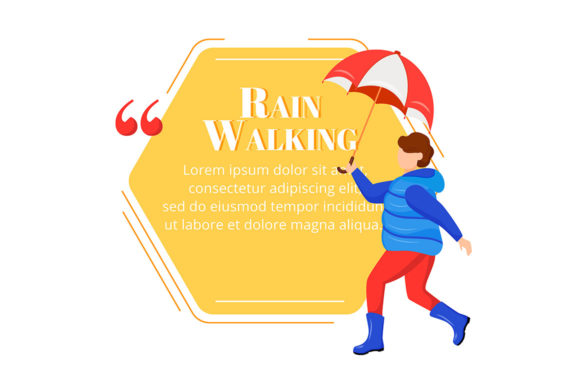
The first thing that strikes you about this design is its gentle, narrative quality. It features a boy in a coat, walking through wet weather with an umbrella, accompanied by a citation blank frame template or speech bubble. The mood is cozy, nostalgic, and slightly whimsical. For an embroidery designer, this emotional resonance is crucial. We are not just selling stitches; we are selling a feeling. This character evokes memories of rainy afternoons and childhood resilience, making it an excellent candidate for personalized gifts and boutique merchandise.
Visually, the flat color style suggests clean lines and distinct shapes. In vector form, this is ideal because it implies clear boundaries between color blocks. However, as anyone who works with machine embroidery design knows, clean vectors do not always equal clean stitching. The simplicity of the flat color approach is a double-edged sword. It allows for bold visibility, but it also leaves nowhere for errors to hide. Every jump stitch, every tension issue, and every misalignment will be visible if the digitizing is not precise.
Real-World Application: From Screen to Stitch
I imagined this design on a few specific products to test its versatility. My primary test case was a custom embroidered tote bag. Tote bags are popular among Etsy sellers and craft business owners because they offer a large, flat canvas. The Rain Walking Flat Color Vector Character fits well here. The horizontal spread of the boy walking and the umbrella provides a nice balance to the rectangular shape of a bag panel. The speech bubble or quotation empty text box design offers a fantastic opportunity for customization. A small shop owner could add a customer’s name, a favorite quote, or a date, turning a standard tote bag design into a highly personalized item.
Another strong contender is sweatshirt embroidery. The cozy theme of rain and coats pairs naturally with the warmth of a fleece or cotton blend hoodie. Placing this design on the left chest creates a subtle, professional look, while a larger placement on the back makes a bold statement. The flat colors work well against the textured surface of sweatshirt fabric, provided the stitch density is managed correctly. If the design is too dense, the fabric will pucker; if it is too light, the garment’s texture will show through the threads, muddying the image.
For those interested in baby embroidery, this design is charming but requires caution. The concept of a kid with an umbrella is adorable for nursery decor or baby blankets. However, babies have sensitive skin, and heavy stitching can be scratchy. If you use this as an applique design, backing the fabric pieces with soft stabilizer and using a satin stitch border can reduce bulk and improve comfort. Always consider the end user when selecting thread colors and stitch types for infant items.
Technical Considerations for Embroiderers
When working with any digital embroidery file, especially one sourced from a ZIP file containing various formats, you must verify the technical specs before hooping. Since the product description does not specify exact stitch counts or hoop sizes, I strongly advise checking these details immediately. A design that looks small on your monitor might require a 5x7 hoop, while a simplified version might fit in a 4x4. Knowing your hoop size constraints is essential for planning your layout.
The presence of a speech bubble or citation frame introduces a challenge: text and thin lines. In embroidery, thin lines can easily break or get lost if the stitch width is too narrow. If the vector includes fine details for the rain or the umbrella spokes, you need to ensure the digitizer has used appropriate running stitches or thin satin stitches. Dense areas, such as the boy’s coat or the umbrella canopy, should utilize fill stitches with proper underlay to prevent shifting. Always test the design on scrap fabric first. This step is non-negotiable for professional results.
Fabric choice plays a massive role in the success of this embroidery project. On dark fabrics, you may need to adjust the thread colors for contrast or use a white underlay to make the bright colors of the raincoat pop. On stretchy fabrics like jersey knits, a cut-away stabilizer is mandatory to prevent distortion. For woven fabrics like canvas or linen, a tear-away stabilizer might suffice, but always test for puckering. The fabric texture will interact with the stitch density, so what looks perfect on cotton might look uneven on a textured towel.
Commercial Viability and Brand Consistency
For commercial embroidery and small business owners, consistency is key. The Rain Walking Flat Color Vector Character offers a cohesive aesthetic that can be part of a larger collection. Imagine pairing this with other weather-themed designs or seasonal quotes. This builds brand recognition and encourages repeat customers. The inclusion of a blank frame or speech bubble adds value because it allows for infinite customization without needing to redraw the entire graphic. This flexibility is a huge asset for design assets intended for resale or client work.
However, you must confirm licensing before selling finished items. Just because you downloaded a ZIP file does not mean you have unlimited commercial rights. Check the terms carefully. If the license allows for physical products but not digital resale, you can sell embroidered shirts and patches, but you cannot sell the embroidery file itself. Respecting intellectual property is vital for maintaining professionalism and trust in the maker community.
Practical Tips for Best Results
- Test on Scrap Fabric: Always run a test stitch-out on the same type of fabric you plan to use for the final product. This reveals tension issues and color clashes early.
- Check Thread Contrast: Ensure the thread colors stand out against the fabric. Use a color chart to simulate the look before threading your machine.
- Review Stitch Density: High density can cause puckering, especially on lighter fabrics. Adjust density settings if your machine allows, or choose a lighter weight stabilizer.
- Inspect Small Details: Zoom in on the vector file. Are the rain drops too small to stitch? Will the umbrella handle hold up? Simplify if necessary.
- Use Proper Stabilizer: Match the stabilizer to the fabric. Cut-away for knits, tear-away for wovens, and wash-away for delicate or sheer materials.
- Mockup in Black and White: Convert the design to grayscale to check for value contrast. If the elements blend together in black and white, they will likely lack definition in thread.
Final Verdict
The Rain Walking Flat Color Vector Character is a promising addition to any designer’s library. Its charm lies in its simplicity and emotional appeal, making it suitable for a wide range of handmade products from holiday embroidery gifts to everyday custom apparel. While it requires careful attention to digitizing quality and fabric selection, the potential for creating beautiful, meaningful finished products is high. For the craft business owner looking to add a touch of whimsy and warmth to their inventory, this design is worth the investment of time and thread. Just remember: the magic happens not in the download, but in the careful, thoughtful execution of the stitch.