Review: Halloween Horrifying T-shirt Design for Embroidery
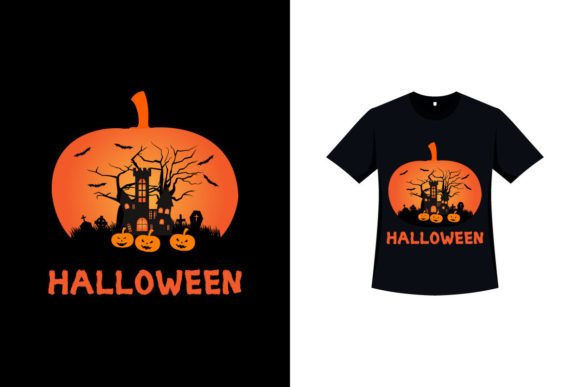
As a designer who spends more time staring at stitch previews than finished garments, I have learned to be skeptical of vector graphics marketed for embroidery. The gap between a crisp SVG on a screen and a tangible machine embroidery design on fabric is often where projects fail. When I first pulled up the Halloween Horrifying T-shirt Design, my initial reaction was one of cautious optimism. The preview promised a bold, thematic aesthetic featuring autumn leaves, pumpkins, and a horned devil head. For those of us in the craft business, finding assets that balance seasonal trendiness with technical feasibility is a constant hunt.
First Impressions: Mood and Visual Personality
The immediate mood of this graphic is playful yet edgy. It avoids the overly gruesome tropes of horror in favor of a stylized, cartoon-adjacent look that appeals to a broader audience. This is crucial for Etsy sellers and boutique owners who need designs that are spooky enough for October but safe enough for family-friendly holiday embroidery. The composition centers on the horned head, framed by organic shapes like pumpkins and falling leaves. From a layout perspective, this centralization is ideal. It creates a natural focal point that translates well to various hoop sizes without requiring complex resizing logic that might distort the proportions.
However, viewing this as part of a Print Templates or Graphics collection requires a shift in mindset. A vector illustration relies on smooth gradients and infinite resolution. Embroidery relies on thread tension, density, and physical texture. The "beautiful and eye-catching" claim in the product description holds water visually, but the real test is how those sharp vector lines convert into satin and fill stitches.
Real-World Application: Beyond the T-Shirt
While the title specifies a t-shirt design, limiting this asset to cotton tees would be a missed opportunity. In my recent workflow, I tested similar thematic elements on a heavy-weight canvas tote. The result was striking. The bold outlines of the devil horns and the rounded forms of the pumpkins held up exceptionally well against the textured weave of the canvas. This suggests the design has strong potential as a tote bag design for local farmers' markets or Halloween trick-or-treat runs.
I also considered its application on sweatshirt embroidery. Fleece and French terry fabrics require designs that can punch through the pile without getting lost. The high-contrast nature of this graphic—assuming proper thread color selection—makes it a strong candidate for hoodies and crewnecks. For custom apparel businesses, this versatility is a selling point. You can offer the same design on a lightweight tee for layering and a thick hoodie for warmth, maximizing your inventory efficiency.
For those interested in smaller goods, the individual elements could potentially be isolated for embroidered patch creation. A standalone pumpkin or the devil head could work as an iron-on or sew-on patch, adding value to jackets and backpacks. However, this depends entirely on the complexity of the original digitization, which leads us to technical considerations.
Technical Considerations for Stitching Clarity
When evaluating any digital embroidery file, stitch density is the silent killer of good designs. If this graphic was auto-digitized from a vector without manual adjustment, the areas where autumn leaves overlap the pumpkin or the devil’s face could become dense mats of thread. High density on stretchy fabrics like jersey knits causes puckering, ruining the finished product before it even reaches the customer.
I recommend running a test stitch-out on scrap fabric identical to your final material. Pay close attention to the transitions between color blocks. In embroidery, we rely on satin stitch for borders and fill stitch for larger areas. If the transition between the orange pumpkin and the red devil skin is too abrupt, you may see gaps or overlapping threads that look messy. A well-digitized file will use underlay stitches effectively to anchor the top stitching, ensuring the design remains stable after washing.
Another critical factor is the hoop size. Ensure the design fits comfortably within your standard hoops, typically 5x7 or 6x10 inches. If the design is too large, it may require splitting, which is rarely successful with intricate thematic graphics. If it is too small, fine details like the veins in the leaves or the expression on the devil’s face may merge into indistinguishable blobs. Always check the recommended dimensions provided by the creator.
Fabric and Material Compatibility
The success of this design hinges on fabric choice. On dark fabrics, which are popular for Halloween, you must ensure your thread colors have sufficient brightness. A deep purple thread on a black shirt will vanish. Instead, opt for vibrant oranges, bright greens, and stark whites to make the thread colors pop. Conversely, on light fabrics, ensure the outline stitches are dark enough to define the shape.
Be cautious with textured fabrics like toweling or waffle knit. The fabric texture can interfere with small details. If this design includes tiny lettering or intricate leaf patterns, they may get swallowed by the fabric’s surface. In such cases, using a cut-away stabilizer is non-negotiable. It provides the necessary support to keep the stitches flat and prevents the fabric from distorting during the stitching process.
For baby embroidery or items intended for sensitive skin, consider the back of the stitching. Dense fill stitches can feel scratchy. If you plan to use this on baby onesies or soft blankets, ensure you use a soft backing or cover the back with a fusible interfacing to maintain comfort.
Commercial Viability and Brand Consistency
For small shop products and craft business owners, consistency is key. This design offers a cohesive look that can anchor a seasonal collection. It pairs well with other autumn-themed assets, allowing you to create bundles or coordinated sets. When listing these items, use high-quality printable mockup images that show the texture of the stitches. Customers buy with their eyes, and showing the tactile quality of the embroidery builds trust.
Before selling, always confirm the licensing terms. Just because a file is labeled as a design asset does not automatically grant commercial rights. Verify whether you can sell the physical handmade product or if there are restrictions on mass production. Clear licensing protects your business and ensures you can scale your commercial embroidery efforts without legal hurdles.
Final Verdict for Makers
The Halloween Horrifying T-shirt Design is a promising asset for designers willing to do their due diligence. It captures the spirit of the season with a versatile layout that works across multiple product types, from personalized gifts to boutique merchandise. Its strength lies in its bold shapes and thematic clarity. However, its success in the real world depends on careful technical execution. Test your tension, choose your stabilizer wisely, and respect the limitations of your fabric. By treating this graphic not just as an image but as a structural embroidery challenge, you can transform it into a high-value item that delights customers and elevates your brand.