Reviewing the Halloween Pumpkin T-Shirt Design
As an embroidery designer who has spent countless hours digitizing and testing files for real-world application, I approach every new Print Templates or Graphics release with a critical eye. It is not enough for a design to look vibrant on a screen; it must hold up under the needle. Recently, I evaluated the Halloween T-shirt Design with Pumpkin, a vector graphic that promises versatility for holiday projects. My goal was to determine if this asset translates well from digital illustration to tangible, stitched reality for crafters, Etsy sellers, and boutique owners.
First Impressions and Visual Personality
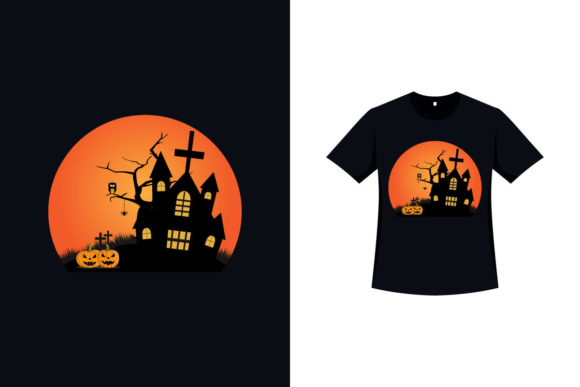
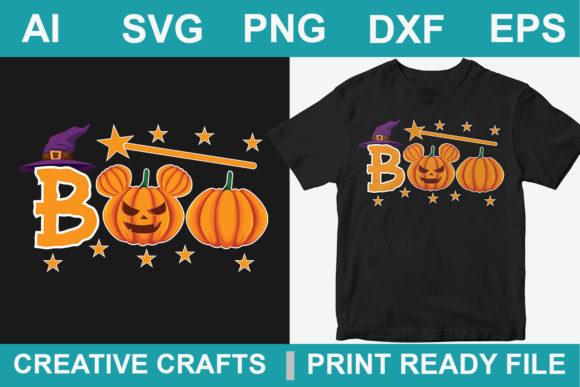
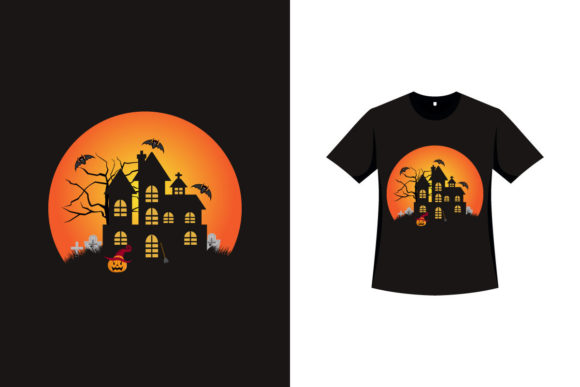
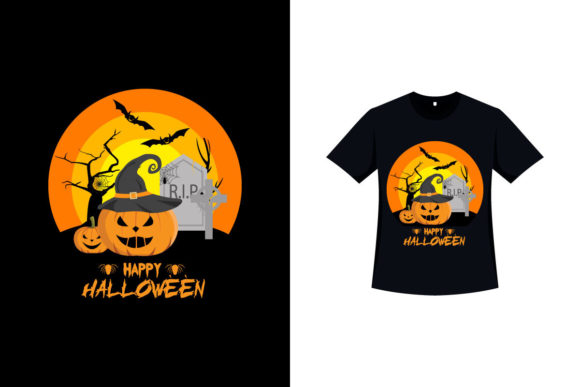
The initial appeal of the Halloween T-shirt Design with Pumpkin lies in its bold, thematic clarity. The composition features a central pumpkin motif, likely accompanied by playful elements such as a happy cat or subtle devil horns, creating a whimsical yet spooky atmosphere. For embroidery, this visual personality is crucial. A design that is too complex can become a muddy mess of thread, while one that is too simple may lack perceived value. This particular illustration strikes a balance, offering enough detail to be interesting without demanding excessive stitch counts that could distort lightweight fabrics.
The mood is undeniably festive. It captures the lighthearted side of October, making it suitable for a wide demographic, from children’s apparel to adult novelty wear. When viewing the vector lines, I looked specifically for smooth curves and closed shapes, which are essential for clean fill stitch execution. The layout appears centered and balanced, suggesting it would sit comfortably on the chest of a t-shirt or the front panel of a tote bag without requiring significant repositioning.
Real-World Application: From Screen to Stitch
To truly test the viability of this machine embroidery design, I imagined several practical scenarios where a small business owner might deploy it. Consider a custom sweatshirt embroidery project for a local boutique. The bold lines of the pumpkin design would stand out beautifully against heather grey or deep orange fleece. Because sweatshirts have a thicker texture, the design needs sufficient density to prevent the fabric from showing through the stitches. If the original vector is converted into an embroidery file with appropriate underlay, it should provide excellent coverage.
Another strong use case is the embroidered patch. Patches are trending heavily among handmade shop owners because they allow customers to add flair to existing garments. Using this Halloween T-shirt Design with Pumpkin as a base for a merrowed-edge patch could create a high-margin product. The distinct shapes of the pumpkin and any accompanying cat or devil elements would cut cleanly, ensuring the final product looks professional rather than homemade. For Etsy sellers, offering these as ready-to-ship accessories or as part of a "spooky season" bundle could drive significant engagement.
I also considered its application on tote bag design projects. Canvas bags are sturdy, handling higher stitch density well. However, the scale matters. If the design is too small, it gets lost on the large surface area of a tote. If it is too large, it becomes stiff and uncomfortable to carry. A medium-sized placement, perhaps offset to one corner, would highlight the graphic nature of the digital embroidery file while maintaining the bag's functionality.
Navigating Technical Challenges
While the design is promising, there are areas where caution is necessary. Embroidery is unforgiving of poor preparation. One major consideration is the hoop size. Before purchasing or downloading, verify that the design fits within your standard hoops, typically 4x4 or 5x7 inches. If the pumpkin illustration includes extended elements like long cat tails or swirling vines, ensure they do not exceed your machine’s maximum stitching area.
Fabric texture and type play a pivotal role in the outcome. On thin or stretchy fabrics, such as jersey knits used for baby clothes, this design requires careful stabilization. Without a proper cut-away stabilizer, the weight of the threads could cause the fabric to pucker, distorting the pumpkin’s round shape. For baby embroidery, comfort is paramount, so using soft backing materials and ensuring no scratchy satin edges touch the skin is essential.
Additionally, consider the complexity of small details. If the vector includes tiny features, such as the eyes of the cat or intricate lines on the pumpkin stem, these may need simplification during the digitizing process. Satin stitch works well for borders and text, but if the columns are too wide, they can snag. Converting certain areas to running stitch or adjusting the density can mitigate this risk. Always test the design on scrap fabric identical to your final product to check for thread breaks or nesting.
Enhancing Product Value and Brand Consistency
For commercial entrepreneurs, the choice of design directly impacts brand perception. The Halloween T-shirt Design with Pumpkin offers a polished look that can elevate a handmade product from amateur to artisanal. When customers see clean, consistent stitching, their trust in the maker increases. This is particularly important for personalized gift items, where the recipient expects a high level of care.
Using this graphic across a range of products helps maintain brand consistency. Imagine offering matching sets: a pumpkin-themed shirt for the parent and a smaller version for the child. Or pairing a tote bag with a coordinating kitchen towel. This strategy encourages larger basket sizes and enhances customer satisfaction. The versatility of the design assets allows for creative marketing, such as creating printable mockup images that show the design in various settings, helping online buyers visualize the finished item.
Practical Notes for the Embroidery Designer
Before committing to a full production run, here are my top recommendations for working with this specific graphic:
- Check Thread Color Contrast: Test the design on both light and dark fabrics. Orange thread on a white shirt pops, but on a black shirt, you may need to adjust brightness or add a white underlay to make the pumpkin visible.
- Verify Licensing: Since this is a commercial embroidery context, confirm the license terms. Ensure you have the right to sell finished physical items made with this design. Do not assume digital files include commercial rights unless explicitly stated.
- Inspect Small Details: Zoom in on the vector file. Are there overlapping paths? These can cause machine errors. Clean up the file before digitizing to ensure smooth stitching.
- Test on Curved Surfaces: If applying this to caps or hats, remember that the curvature changes how the design lays. You may need to resize or reshape the pumpkin slightly to compensate for the distortion.
- Compare Black and White Mockups: Remove color to check the structural integrity of the design. If it looks confusing in grayscale, it may be too detailed for embroidery.
In conclusion, the Halloween T-shirt Design with Pumpkin is a strong contender for holiday collections. It offers the right blend of thematic charm and technical feasibility for most intermediate to advanced embroiderers. By paying attention to fabric choice, stabilization, and stitch parameters, you can transform this vector graphic into a best-selling small shop product. Whether used for holiday embroidery gifts or boutique merchandise, it provides a solid foundation for creative expression.