Reviewing the Playing Guitar Silhouette for Embroidery
As a designer who spends half my life staring at digitized files and the other half pulling bobbins out of tangled messes, I have learned to look past the pretty preview image. When I downloaded the Playing Guitar Flat Silhouette Vector, my first instinct was not to admire the art, but to question its viability on fabric. We often forget that what looks crisp on a screen can turn into a bird’s nest of thread if the geometry isn’t right for the needle. This piece, categorized under Illustrations and Graphics, presents a specific challenge: it is a flat silhouette with a speech bubble element. For an embroidery project, this combination of solid shapes and negative space requires careful planning.
The First Impression: Mood and Layout
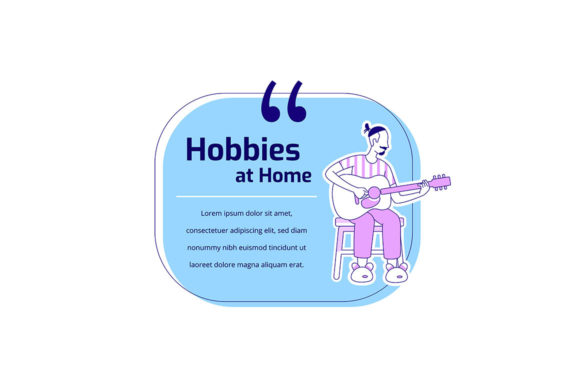
The design features a man relaxing indoors, playing a guitar. It captures a quiet, hobbyist vibe that feels very current. In the world of handmade products, customers are moving away from loud, chaotic graphics toward minimalist, meaningful icons. This silhouette fits that trend perfectly. The inclusion of a citation blank frame template or speech bubble adds a layer of interactivity. It invites the viewer to imagine what is being said or sung. However, from a technical standpoint, the "flat" nature of the vector means there are no gradients or shading to hide imperfections. Every stitch will be visible. The visual personality is calm and domestic, making it ideal for home decor or casual apparel rather than high-energy sports gear.
Real-World Application: The Tote Bag Test
To truly evaluate this Playing Guitar Flat Silhouette Vector, I imagined applying it to a canvas tote bag. This is a common request for Etsy sellers and small shop owners. The broad, open areas of the silhouette suggest that a fill stitch would be necessary to cover the fabric completely. If you are creating a custom apparel piece or a personalized gift, the stability of the fabric matters immensely. On a heavy canvas tote, the weight of the thread might cause slight puckering if the stabilizer is not robust enough. I would recommend a cut-away stabilizer for this application to ensure the finished product maintains its shape after washing.
The speech bubble component is particularly interesting for commercial embroidery projects. It allows for customization. A craft business owner could leave the bubble empty for a clean, graphic look, or add text inside for a specific quote. However, adding text introduces tiny lettering, which can be problematic if the hoop size is small. If you are selling this as a digital embroidery file, you must advise buyers to keep any added text large and legible. Tiny satin stitch letters inside a small bubble will likely merge together, ruining the clarity of the design.
Fabric and Stitch Considerations
When working with silhouettes, thread colors and fabric texture play a massive role in the final aesthetic. Since this is a single-color or two-color design depending on how you treat the bubble, contrast is key. On dark fabric, a light thread will pop, but you must ensure the stitch density is high enough to prevent the background fabric from showing through. Conversely, on thin or stretchy fabric, such as a baby onesie or a lightweight t-shirt, the dense fill stitches required for the guitar player’s body could cause the garment to warp. For baby embroidery or delicate items, I would suggest scaling down the stitch density or using a lighter weight thread to reduce bulk.
The curved surfaces of caps present another hurdle. Embroidering a flat silhouette on a curved cap requires precise hooping and often a foam backing to raise the design. The guitar neck and the edges of the speech bubble must be digitized with care to avoid gaps. If the running stitch outlining the shape is too sparse, the edges will look jagged. If it is too dense, the thread may break. This is why testing the design on scrap fabric is non-negotiable. Never skip this step, especially when dealing with complex shapes like a guitar body combined with a geometric speech bubble.
Commercial Viability and Brand Consistency
For an Etsy seller or boutique brand, consistency is everything. This Playing Guitar Flat Silhouette Vector offers a versatile asset that can be part of a larger collection of hobby-themed designs. It appeals to musicians, introverts, and homebodies. By using this design in your printable mockup or digital product previews, you signal a modern, understated aesthetic. It builds customer trust because it looks professional and intentional, not cluttered. However, you must confirm licensing before selling finished items. Just because a file is labeled as a vector or graphic does not automatically grant commercial rights for physical goods. Always check the terms provided with the ZIP file.
The design’s simplicity also makes it cost-effective for production. Lower stitch counts generally mean faster machine run times, which increases profit margins for small businesses. But do not sacrifice quality for speed. Ensure that the transition between the guitar player and the speech bubble is smooth. Any jump stitches should be minimized or trimmed carefully to maintain a polished look. A sloppy finish on a handmade product can deter repeat buyers, no matter how charming the design concept is.
Practical Designer Notes for Execution
Before you load this design into your machine, consider these practical steps to ensure success:
- Check the File Format: Ensure the digital embroidery file is compatible with your specific machine brand. Common formats include PES, DST, and EXP. If the ZIP file only contains vector formats like SVG or AI, you will need to digitize it yourself or hire a digitizer, as these are not ready-to-stitch files.
- Test Stabilizers: Use a tear-away stabilizer for stable woven fabrics like cotton towels or aprons. Use a cut-away for knits like sweatshirts or tote bags to prevent distortion.
- Evaluate Stitch Density: Look at the preview software. If the fill stitch looks too solid, it may pull the fabric. Adjust the density if your software allows, or choose a lighter fabric weight.
- Contrast Check: Create black and white mockups to see if the silhouette holds its shape without color. This helps determine if the outline is strong enough.
- Hoop Size Selection: Choose a hoop that fits the entire design with room to spare. Hooping too tightly can distort the image, while too loose can cause shifting.
In conclusion, the Playing Guitar Flat Silhouette Vector is a strong candidate for modern embroidery projects if handled with technical care. It bridges the gap between digital art and tactile craft. For the experienced maker, it offers a canvas for creativity through fabric choice and placement. For the beginner, it serves as a lesson in the importance of stabilizer and stitch density. Whether you are creating holiday embroidery gifts, custom apparel for a local band, or decorative pillow covers for a music lover’s living room, this design has potential. Just remember that the magic lies not just in the image, but in the execution. Treat the file with respect, test your materials, and let the thread do the talking.