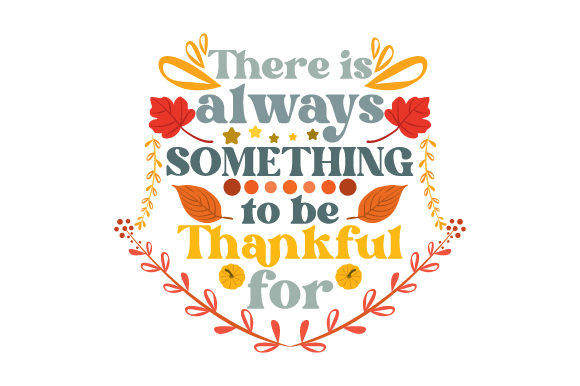
Reviewing There is Always Something to Be Thankful for
As a designer who spends more time staring at digitized stitch paths than I do sleeping, I have learned that not all quotes are created equal. Some look beautiful on a screen but turn into a tangled mess of thread breaks and puckering on fabric. Others possess a quiet resilience that translates perfectly from digital file to tangible textile. When I first loaded There is Always Something to Be Thankful for into my embroidery software, I was looking for that second category. I wanted a design that carried emotional weight without demanding impossible precision from the machine.
The first impression of this piece is one of grounded warmth. It does not scream for attention with excessive flourishes or overly complex typography. Instead, it offers a clean, readable layout that respects the limitations of needle and thread. For those of us in the craft business, this balance is critical. We are not just selling stitches; we are selling a feeling. This design captures the essence of gratitude in a way that feels authentic rather than manufactured, making it an ideal candidate for a wide range of Thanksgiving and year-round projects.
Real-World Application: The Tote Bag Test
To truly evaluate an embroidery file, you must move beyond the monitor. I recently used this design for a custom order involving heavy canvas tote bags. These are popular items for grocery runs, library visits, and holiday gift-giving. The challenge with canvas is its texture; it can swallow fine details if the stitch density is too low, or it can pucker aggressively if the density is too high.
There is Always Something to Be Thankful for performed exceptionally well in this scenario. The lettering had enough body to stand out against the weave of the fabric without requiring a dense fill stitch that would have stiffened the bag unnecessarily. I opted for a classic satin stitch border around the text to give it definition, paired with a simple running stitch for any subtle decorative elements. The result was a professional-looking finished product that felt durable enough for daily use. Customers often judge the quality of a handmade product by how flat it lies after washing, and this design maintained its integrity beautifully.
Versatility Across Apparel and Home Decor
While the tote bag was a success, I was curious about how the design would translate to softer, more delicate fabrics. I tested it on a cotton blend sweatshirt, a common item for Etsy sellers during the cooler months. Sweatshirt embroidery requires careful attention to stabilizer choice. Because the fabric is stretchy and thick, using a cut-away stabilizer is non-negotiable to prevent distortion. The design’s layout allowed for a medium hoop size, which meant I did not have to re-hoop or struggle with positioning on the curved chest area.
The visual appeal here is driven by clarity. On a dark navy sweatshirt, I used cream and gold thread colors to create a striking contrast. The quote reads easily from a distance, which is essential for apparel. If the letters are too thin or the spacing too tight, the message gets lost. This design avoids those pitfalls. It also works wonderfully for baby embroidery, provided you scale it down appropriately. For infant items, I recommend simplifying any intricate corners and ensuring the stitch count remains low to keep the garment soft against sensitive skin.
Beyond apparel, this design shines in home decor. Imagine it stitched onto a linen tea towel or a pillow cover for the dining room. In these contexts, the design acts as a subtle reminder of mindfulness. It fits seamlessly into the aesthetic of modern farmhouse decor, which remains a dominant trend in small shop products. For kitchen towels, however, you must consider washability. Frequent laundering can cause threads to fray if the stitch density is inconsistent. I advise checking the underlay stitches in your software to ensure they provide a solid foundation for the top stitching.
Navigating Technical Challenges
No design is without its quirks, and an experienced reviewer must address where caution is needed. While There is Always Something to Be Thankful for is robust, it does contain longer lines of text. When working with curved surfaces like caps or hats, long horizontal text can be problematic. The curvature of the cap can distort the reading line, making the text appear to arch unnaturally. If you plan to use this for headwear, I strongly recommend breaking the text into two or three stacked lines rather than a single long line. This adjustment maintains readability and reduces the risk of hoop burn on the brim.
Additionally, be mindful of tiny lettering. If you attempt to shrink this design for a small embroidered patch or a pocket detail on a shirt, the smaller characters may lose definition. Satin stitches have a minimum width before they become unstable. If the design includes very fine serifs or small punctuation, test it on scrap fabric first. I always run a test stitch-out on the actual fabric I intend to use. This step saves hours of frustration and prevents wasted materials. Check the thread color contrast carefully; a low-contrast combination on textured fabric can render the message illegible.
Commercial Value and Brand Consistency
For commercial embroidery professionals and digital product sellers, the value of a design lies in its versatility and professional finish. This design enhances brand consistency for shops that focus on inspirational or lifestyle products. It conveys a sense of care and thoughtfulness, which builds customer trust. When a buyer receives a personalized gift that looks crisp and well-executed, they are more likely to return. The design’s clean lines make it easy to integrate into printable mockups for online listings, allowing potential customers to visualize the final product clearly.
However, before listing any finished items or digital embroidery files, you must confirm the licensing terms. The product description mentions receiving the design, but it does not explicitly detail commercial rights. Always verify whether the license allows for unlimited physical sales or if there are restrictions on digital redistribution. Protecting your craft business means respecting intellectual property and ensuring you have the right to sell what you create.
Final Designer Notes
To get the best results from There is Always Something to Be Thankful for, follow these practical steps:
- Test on Scrap Fabric: Always run a test stitch on the same material and weight as your final project.
- Check Stabilizer: Use cut-away stabilizer for knits and stretchy fabrics; tear-away may suffice for stable wovens like cotton.
- Review Stitch Density: Ensure the density is appropriate for the fabric thickness to avoid puckering or stiffness.
- Confirm Hoop Size: Measure the design dimensions against your machine’s hoop capabilities before starting.
- Inspect Small Details: Zoom in on the digitized file to check for unnecessary jumps or loose ends that could cause thread breaks.
- Contrast is Key: Choose thread colors that stand out against the fabric background, especially for distant viewing.
- Verify Licensing: Confirm commercial use rights before selling finished products or sharing the digital file.
In conclusion, this design is a reliable asset for any embroiderer’s library. It balances aesthetic appeal with technical practicality, making it suitable for everything from holiday gifts to everyday boutique merchandise. By approaching it with a keen eye for detail and proper preparation, you can create stunning, high-quality pieces that resonate with your audience.