But First, Coffee: A Designer’s Review
As an embroidery designer who has spent countless hours digitizing and stitching thousands of designs, I have learned that simplicity is often the hardest thing to get right. When I first opened the files for But First, Coffee., my immediate reaction was one of relief. In a market saturated with overly complex, dense, and noisy graphics, this design offers a breath of fresh air. It is not just a phrase; it is a mood. The combination of the popular mantra with a simple illustration creates a visual personality that is both modern and timeless. For those of us in the craft business, finding assets that bridge the gap between trendy and classic is essential for building a sustainable small shop product line.
First Impressions and Visual Personality
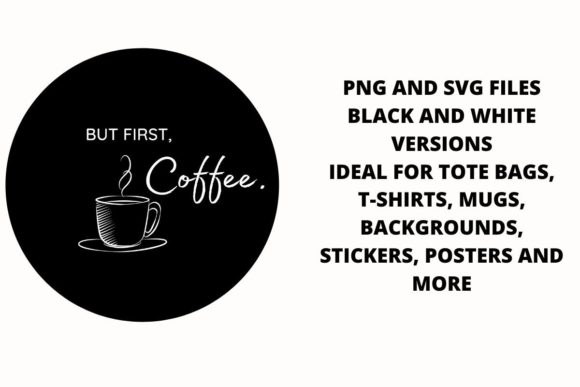
The layout of But First, Coffee. is clean and balanced. The typography appears approachable, likely utilizing a sans-serif or hand-lettered style that translates well into thread. The accompanying illustration of the coffee cup is minimal, avoiding unnecessary details that could turn into a stitching nightmare. This simplicity is crucial. When we talk about high-resolution print templates or graphics intended for embroidery, we are often looking for clear lines and distinct shapes. This design delivers that. It feels like it belongs on a cozy Sunday morning tote bag or a crisp, white apron in a boutique cafe. The black and white versions mentioned in the description suggest versatility, allowing the designer to adapt the contrast based on the fabric texture and thread colors chosen.
Real-World Application: The Tote Bag Test
To truly evaluate a design, you have to imagine it stitched out. I recently worked on a custom order for a local bookstore that wanted branded merchandise. They needed something that appealed to students and professionals alike. But First, Coffee. was the perfect candidate for a canvas tote bag design. Canvas has a distinct weave, and heavy fill stitches can sometimes pucker the fabric if the stabilizer isn't correct. However, because this design relies on a simple illustration and clear lettering, it avoids excessive stitch density.
I envisioned using a satin stitch for the text to give it a raised, premium feel, while employing a running stitch or light fill for the coffee cup outline. This approach keeps the handmade product looking professional rather than bulky. The result would be a personalized gift that feels thoughtful and high-quality. For an Etsy seller, this kind of versatility is gold. You can market it as sweatshirt embroidery for chilly mornings or as a chic addition to kitchen towels for the home decor niche.
Navigating Fabric and Hoop Constraints
While the design is straightforward, there are areas where caution is necessary. Embroidery is a tactile medium, and the substrate matters. If you are planning to use this on stretchy fabric, such as a jersey t-shirt or a baby onesie, the stability of the text becomes paramount. Tiny lettering can distort if the hoop size is too large for the garment or if the stabilizer is insufficient. I always recommend testing the design on scrap fabric first. Check how the thread colors interact with the background. On dark fabric, you might need to adjust the underlay or use a brighter thread to ensure the "coffee" motif pops.
Curved surfaces, like caps or hats, present another challenge. The center front of a cap is a small, structured area. If the text in But First, Coffee. is too wide, it might wrap around the curve uncomfortably. In such cases, scaling down the design or opting for a vertical layout might be necessary. Always confirm hoop size compatibility before starting a commercial embroidery project. A design that looks perfect on a 5x7 hoop might be cramped on a 4x4, affecting the breathing room around the letters and the cup illustration.
Commercial Viability and Brand Consistency
For creative entrepreneurs and digital product sellers, the value of a design lies in its adaptability. But First, Coffee. fits seamlessly into various niches. It works for holiday embroidery gifts, such as stocking stuffers for caffeine lovers, or as part of a wedding gift set for the bridal party. The clean aesthetic supports brand consistency. If you are building a line of apparel decorators or handmade shop items, having a cohesive look helps customers recognize your work. This design allows for that cohesion without being repetitive. You can change the thread colors to match seasonal trends—warm browns and creams for autumn, pastels for spring—while keeping the core graphic identical.
Moreover, the availability of PNG and SVG files alongside the embroidery formats adds significant value. These graphics can be used for printable mockups, social media previews, or even sublimation prints on mugs and posters. This multi-format approach means you are not just buying a machine embroidery design; you are acquiring a suite of design assets that can streamline your workflow. For a small business owner, time is money. Being able to use the same visual element across different products reduces the need to create new graphics from scratch.
Practical Notes for the Embroiderer
Before you load this onto your machine, consider these practical steps. First, inspect the small details. Are there any tiny elements in the coffee illustration that might break during stitching? If so, consider simplifying them or increasing their size. Second, review the stitch density. High density can make a garment stiff and uncomfortable, especially on items like baby clothes or lightweight tees. If the file allows for editing, reduce the density slightly for softer fabrics.
Third, test it in black and white mockups. Since the product description mentions black and white versions, see how the design holds up without color reliance. This ensures that the shape and layout are strong enough to stand on their own. Finally, confirm licensing. While many digital embroidery files come with commercial use rights, it is vital to read the specific terms. Ensure you are allowed to sell finished products like embroidered patches, aprons, or pillow covers. Clear licensing protects your craft business and builds trust with your buyers.
Final Verdict
But First, Coffee. is a solid addition to any embroidery library. It balances aesthetic appeal with technical practicality. It is not overly ambitious, which makes it reliable for quick turnaround projects, yet it has enough character to feel special. Whether you are decorating a single personalized gift or stocking your online store with best-selling items, this design offers a safe yet stylish choice. It respects the limitations of the medium while maximizing visual impact. For designers who value clarity and efficiency, this is a resource worth keeping on hand.