Review: Summer Retro T-Shirt Design Sublimation for Embroidery
As a designer who spends half my life digitizing and the other half stitching, I have learned that not every graphic translates well to thread. When I first encountered Summer Retro T-Shirt Design Sublimation, my initial reaction was cautious optimism. The "Sunkissed" quote carries a distinct vintage vibe, heavy on nostalgia and warmth, which is currently dominating the handmade market. However, moving from a sublimation-ready PNG to a tangible embroidered product requires a critical eye. This review breaks down how this specific design asset performs when pulled out of the digital realm and into the hoop.
First Impressions: Mood and Visual Personality
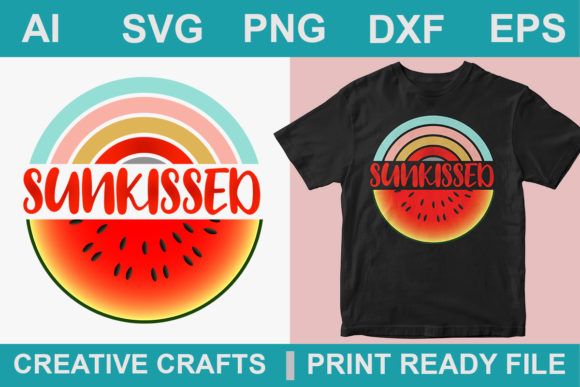
The aesthetic of Summer Retro T-Shirt Design Sublimation is undeniably charming. It captures that laid-back, sun-drenched feeling of July afternoons. For an embroidery designer, the layout is the first thing we scrutinize. The typography appears bold and rounded, typical of retro styles, which is generally good news for stitchers. Thick lines translate better to satin stitches than hairline details do. The visual personality suggests leisure, making it a natural fit for casual wear and home goods rather than formal attire. When evaluating Graphics like this, I look for balance. Does the text overpower the decorative elements? In this case, the composition feels centered and stable, which simplifies the digitizing process significantly.
Real-World Application: From Screen to Stitch
To test the viability of this design, I imagined a specific client project: a custom canvas tote bag for a local boutique selling organic beachwear. The client wanted something that screamed "summer vacation" without being cliché. Summer Retro T-Shirt Design Sublimation fit the brief perfectly in terms of theme. However, the execution matters. If you are an Etsy seller or run a small shop product line, you know that customers judge quality by the clarity of the stitch work.
Using the provided files, specifically the Adobe Illustrator File AI File or the Eps File, allows for precise manipulation before digitizing. You can adjust the curves to ensure they flow smoothly under the needle. For a tote bag, I would recommend using a dense fill stitch for the larger decorative elements to give them weight and texture, while keeping the lettering in a clean satin stitch. This contrast adds depth to the finished product. The design also works exceptionally well for sweatshirt embroidery. The cozy nature of fleece pairs nicely with the warm, retro sentiment of the "Sunkissed" quote, creating a personalized gift that feels thoughtful and high-end.
Navigating Technical Challenges
While the design is visually appealing, there are areas where caution is necessary. One common pitfall with retro typography is the spacing between letters. If the kerning is too tight, your satin stitches might bridge the gap, causing unsightly pulls or thread breaks. Before committing to a final embroidery project, always check the spacing in your digitizing software. If you are working with a machine embroidery design that has been auto-digitized from the Svg File or Dxf File, inspect the stitch paths carefully. Auto-digitizing often misses the nuance of underlay stitches, which are crucial for stability on stretchy fabrics.
Fabric choice plays a massive role here. On thin or stretchy fabric, such as a lightweight t-shirt, this design could cause puckering if the stitch density is too high. I strongly advise using a cut-away stabilizer for garments that will be washed frequently. For structured items like caps or patches, a tear-away might suffice, but always test on scrap fabric first. The thread colors you choose will also make or break the look. Since this is a retro design, muted tones like mustard yellow, burnt orange, or faded teal often work better than neon brights. These colors enhance the vintage feel and reduce the visual noise of the stitches.
Commercial Viability and Brand Consistency
For craft business owners, consistency is key. Summer Retro T-Shirt Design Sublimation offers a versatile asset that can be adapted across various products. Beyond apparel, consider using it for holiday embroidery projects, such as summer-themed pillow covers or kitchen towels. The design’s simplicity allows it to scale reasonably well, though you must be mindful of hoop size limitations. If you are stitching a small item like a baby onesie, you may need to simplify the design or reduce its size, ensuring that the tiny details do not become lost in the fabric texture.
When selling custom apparel or handmade product lines, the perceived value is tied to the professionalism of the finish. A clean, well-digitized version of this design can elevate a basic t-shirt into a boutique item. It builds customer trust because it shows attention to detail. Furthermore, having access to multiple file formats, including the PNG File Print-Ready 4500×5400-300 dpi Transparent and Pdf File, means you can create cohesive marketing materials. You can use the high-resolution PNG for printable mockup previews on your online store, ensuring that what the customer sees online matches the physical embroidered patch or garment they receive.
Practical Designer Notes for Best Results
Before you launch this design into your production line, keep these practical tips in mind:
- Test on Scrap Fabric: Always run a test stitch-out on the same type of fabric you intend to use for the final product. This helps you identify any tension issues or density problems.
- Check Thread Contrast: Ensure your thread color contrasts sufficiently with the fabric. Low contrast can make the design look muddy from a distance.
- Review Stitch Density: High density looks lush but can stiffen the fabric. Adjust your density settings based on the end use; softer for baby items, denser for patches.
- Confirm Hoop Size: Make sure the design fits comfortably within your machine’s hoop, leaving enough margin for the frame to grip the fabric securely.
- Inspect Small Details: Zoom in on the vector files like the Eps File or Svg File to check for anchor points that might cause jagged edges in digitizing.
- Mockup in Black and White: Convert the design to grayscale to check for value contrast. If it looks flat in black and white, it may lack definition in thread.
- Licensing Verification: While you receive various design assets, always confirm the licensing terms for commercial use. Ensure you are allowed to sell finished items made with this design, especially if you are a digital embroidery file reseller or commercial embroidery provider.
Final Verdict
Summer Retro T-Shirt Design Sublimation is a strong contender for summer-themed collections. Its retro charm appeals to a broad audience, from young adults looking for trendy tote bag design options to parents seeking cute baby embroidery ideas. While it originates as a sublimation graphic, its structural integrity allows for successful translation into embroidery, provided you respect the technical constraints of thread and fabric. By paying attention to digitizing quality, stabilizer choice, and color theory, you can turn this digital asset into a best-selling small business merchandise item. It is a reminder that with the right approach, versatile Print Templates and graphics can successfully cross over into the tactile world of needle and thread.