Reviewing the Scary Halloween Cat Design for Embroidery
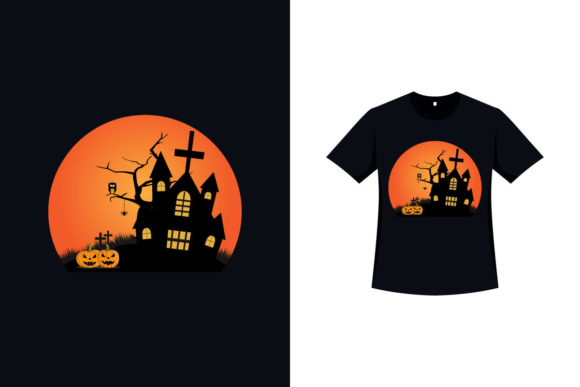
As an embroidery designer who has spent years translating digital graphics into tangible stitched art, I approach every new machine embroidery design with a mix of curiosity and caution. The market is flooded with seasonal assets, but few hold up under the needle. Recently, I evaluated the T-shirt Design for Scary Halloween Event, a piece marketed primarily as a vector graphic for print. My goal was to determine if this grunge-inspired, hand-drawn aesthetic could successfully transition from a flat Print Templates category item into a high-quality embroidery project for real-world application.
First Impressions: Mood and Visual Personality
The first thing that strikes you about this design is its attitude. It does not rely on the polished, sterile look of standard clip art. Instead, it embraces a rough, vintage horror vibe. The central motif—a happy yet mischievous Halloween cat—sits alongside skull elements and hand-drawn typography reading "Trick or Treat." The layout feels organic, almost like a sketch scribbled in a notebook during a spooky movie marathon. For an embroiderer, this "grunge" quality is a double-edged sword. On one hand, it offers character and uniqueness that stands out in a crowded marketplace. On the other, irregular lines and distressed textures can be notoriously difficult to replicate with thread without looking messy.
The visual personality suggests this is not meant for delicate, high-end bridal wear. It belongs on sturdy, casual fabrics. The mood is playful rather than genuinely terrifying, making it ideal for family-friendly holiday events, school parties, or quirky boutique merchandise. When I visualized this as an embroidered patch or a chest logo on a hoodie, the potential was clear. It has the kind of bold silhouette that reads well from a distance, which is crucial for apparel.
Real-World Application: From Digital File to Stitched Product
To test the viability of this design, I imagined a specific scenario: creating a limited run of custom sweatshirts for a local craft fair. As an Etsy seller or small shop owner, you need products that catch the eye quickly. I pictured this design stitched onto a charcoal grey heavyweight cotton blend sweatshirt. The contrast between the dark fabric and lighter thread colors would make the cat and skull pop. However, because the original asset is described as having a "vector background" and "grunge" elements, one must be careful. In embroidery, we do not stitch backgrounds unless necessary. I would isolate the cat, the skull, and the typography, removing any unnecessary distress marks that do not translate well to satin stitch or fill stitch techniques.
Beyond sweatshirts, this design has versatility. It would work exceptionally well as a large back piece on a denim jacket, where the rugged texture of the denim complements the grunge style. For smaller applications, such as a tote bag design, scaling becomes critical. The hand-drawn quote typography needs to remain legible. If scaled down too much for a small pocket area, the letters might merge into a blob of thread. I recommend testing this at various sizes on scrap fabric to find the minimum viable dimensions before committing to a finished product.
Navigating Technical Challenges in Stitching
While the concept is strong, the execution requires technical diligence. The "hand-drawn style" mentioned in the product description implies uneven line weights. In digital Graphics, this looks artistic. In embroidery, inconsistent line widths can cause thread breaks or puckering if not digitized correctly. If you are purchasing this as a ready-made digital embroidery file, check the stitch density carefully. High-density areas around the skull’s details could create stiffness, while sparse areas in the cat’s fur might leave gaps.
Fabric choice is paramount. This design is not suitable for thin, stretchy materials like lightweight jersey or silk. The weight of the stitches, particularly if using a dense fill stitch for the cat’s body, will pull and distort delicate fabrics. Instead, opt for stable materials like canvas, twill, heavy cotton, or fleece. If you must use a thinner fabric, a high-quality cut-away stabilizer is non-negotiable. For caps or curved surfaces, the design’s width must fit within the standard cap hoop, and the curvature of the brim should be considered to prevent the typography from warping visually.
Another consideration is the color palette. The original print template likely uses multiple shades to achieve the grunge effect. In embroidery, too many color changes increase production time and cost. I advise simplifying the thread colors to three or four main tones. Use a dark thread for outlines and a contrasting light thread for highlights. This simplification maintains the visual impact while keeping the project manageable for commercial production.
Commercial Viability and Brand Consistency
For creative entrepreneurs, the question is always: will this sell? The Halloween niche is competitive, but unique, character-driven designs often outperform generic pumpkins and ghosts. This cat design offers a specific aesthetic—vintage, slightly edgy, and fun—that appeals to a demographic looking for something beyond the mainstream. Using this in your craft business can help establish a brand identity that is playful and artistic.
However, professionalism is key. A poorly stitched version of this design can look amateurish. Ensure that your machine is calibrated, and your needles are fresh. Test the design on black and white mockups digitally before stitching to check contrast. If you are selling these as personalized gift items, consider offering customization options, such as adding a name below the "Trick or Treat" quote. This adds value and makes the item more appealing as a keepsake.
Practical Notes for the Embroiderer
Before you load this design into your machine, take these practical steps:
- Verify Licensing: Since this originates as a print template, confirm if the license allows for physical resale of embroidered items. Some digital assets are for personal use only.
- Check Stitch Count and Density: If buying a converted file, ensure the stitch count is reasonable for your hoop size. Overly dense files waste thread and damage fabric.
- Test on Scrap Fabric: Always run a test stitch-out on the same fabric type you intend to use for the final product. Check for puckering, thread breaks, and registration issues.
- Simplify Details: If the original graphic has tiny, intricate grunge specks, remove them. They will not stitch well and may look like dirt or errors on the final garment.
- Consider Hoop Size: Ensure the design fits comfortably within your hoop with adequate margin for stabilization. A cramped design is harder to hoop correctly.
In conclusion, the T-shirt Design for Scary Halloween Event is a promising asset for those willing to adapt it thoughtfully. It is not a plug-and-play solution for every fabric or machine, but with careful digitization adjustments and smart material choices, it can become a standout piece in your holiday collection. Whether you are creating baby embroidery for a festive onesie or commercial embroidery for a boutique line, this design offers the creative spark needed to engage buyers. Just remember: the magic lies not just in the image, but in how well it is translated into thread.