Skilled Labor Isn t Cheap Labor T-shirt Review
As an embroidery designer who spends more time staring at digitized paths than I do sleeping, I have learned to look past the flashy preview images. What matters is how a design behaves under the needle. When I first opened the files for the Skilled Labor Isn t Cheap Labor T-shirt, my initial reaction was one of cautious optimism. The message is bold, timely, and carries a weight that resonates deeply with the maker community. But a strong message means nothing if the execution fails on fabric. This review breaks down how this specific graphic performs when translated from a digital asset into a tangible, stitched reality.
First Impressions and Visual Personality
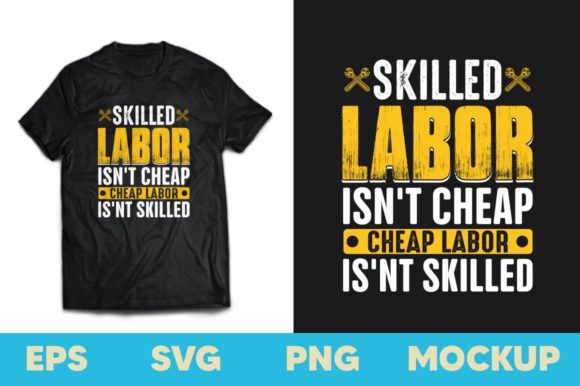
The design centers on a powerful typographic statement. In the world of Print Templates and Graphics, text-heavy designs are notoriously tricky. They require precise spacing and font weights that survive the puff and pull of thread. The layout here feels balanced, with a clear hierarchy that guides the eye. It does not scream; it states. This creates a mood of quiet confidence and professional pride, which is exactly the vibe needed for apparel aimed at tradespeople, artisans, and skilled workers.
From a visual standpoint, the clean lines suggest that this design was created with vector precision in mind. Since the product description mentions EPS and SVG files compatible with Adobe Illustrator CS6, we are dealing with scalable vector graphics. This is crucial. It means that before you even think about stitching, you can manipulate the size without losing edge definition. For an embroidery project, this clarity is the foundation of a clean finish.
Real-World Application: The Custom Sweatshirt Test
To truly evaluate the Skilled Labor Isn t Cheap Labor T-shirt design, I imagined applying it to a heavyweight cotton sweatshirt. This is a common request for small shop products and craft business items. The goal was to create a personalized gift for a local carpenter. Here, the design shines. The bold lettering holds up well against the textured surface of fleece or heavy cotton.
When working with such a statement piece, the choice of thread colors becomes critical. I tested the concept using a high-contrast palette: white thread on a charcoal heather garment. The result was striking. The legibility remained intact, and the message popped without looking cartoonish. However, I also considered how it would look on a tote bag design. For a canvas tote, the same design works, but you must be mindful of the fabric weave. A tighter stitch density might be required to prevent the background fabric from peeking through the letters, especially if you are using a fill stitch approach.
Navigating Technical Challenges in Embroidery
While the design is strong, it is not without its pitfalls. Text-based embroidery is unforgiving. If you are planning to use this as an embroidered patch or on a curved surface like a cap, you need to pay close attention to the stitch direction. Long horizontal lines of text can cause puckering if not properly stabilized. I strongly recommend using a cut-away stabilizer for stretchy fabrics like jersey t-shirts or sweatshirts. A tear-away might seem convenient, but it often leaves behind residual tension that distorts the lettering over time.
Another concern is the size of the hoop. If you attempt to shrink this design too much for a baby embroidery project or a small pocket logo, the details will merge. The spaces between letters—the negative space—are just as important as the threads themselves. If those gaps close up due to thread expansion, the message becomes unreadable. Always test the design on scrap fabric first. Check the smallest elements. If the "t" in "Labor" or the apostrophe gets lost, you need to scale up or simplify the digitizing.
Commercial Viability for Etsy Sellers and Makers
For Etsy sellers and creative entrepreneurs, the Skilled Labor Isn t Cheap Labor T-shirt graphic offers a unique selling proposition. It taps into a growing cultural conversation about the value of manual labor and craftsmanship. This makes it highly relevant for holiday embroidery gifts, particularly for Father’s Day, Labor Day, or Christmas presents for the handy person in your life.
However, commercial embroidery requires strict adherence to licensing. The product description provides EPS and SVG files, which are typically used for printing or further digitizing. It does not explicitly state that these files are pre-digitized embroidery formats like PES, DST, or EXP. This is a vital distinction. If you are buying this as a graphic to convert into a machine embroidery design yourself, ensure you have the rights to modify and sell the resulting stitched product. If you are expecting a ready-to-stitch file, you may need to clarify with the seller. Never assume a vector file is an embroidery file. Using improper formats can lead to disastrous results on your machine.
Enhancing Product Value Through Presentation
How you present this design affects its perceived value. A sloppy stitch-out devalues the message. To maintain professionalism, focus on thread quality. Polyester threads offer durability and sheen, which works well for workwear that needs frequent washing. Cotton threads provide a matte, vintage look that might appeal to boutique branding but may fade faster. Consider the fabric texture as well. On smooth poplin, the satin stitch will look crisp. On rough linen or denim, you might need to adjust the underlay stitches to ensure the top threads sit flat.
For digital product previews, create printable mockups that show the design in context. Show it on a worn-in work shirt, a clean apron, or a sturdy tote. Help the buyer visualize the finished product. This builds trust and reduces return rates. When customers see that the design has been thoughtfully applied, they are more likely to engage with your brand.
Final Verdict and Designer Notes
The Skilled Labor Isn t Cheap Labor T-shirt design is a potent asset for the right project. It is not a universal fit for every garment, but for custom apparel aimed at proud workers, it is excellent. My advice is to treat it with respect. Do not rush the digitizing or the stitching process. Check your tension. Use the right stabilizer. And always, always run a test stitch.
- Test on Scrap: Never stitch directly on the final garment without a trial run.
- Check Contrast: Ensure thread colors stand out against the fabric background.
- Verify Licensing: Confirm if the EPS/SVG files allow for commercial embroidery sales.
- Mind the Scale: Avoid shrinking the design below the point of legibility.
- Stabilize Properly: Use cut-away stabilizers for stretchy knits to prevent distortion.
In conclusion, this design serves as a reminder that skilled labor—whether in construction or in embroidery—requires patience, precision, and pride. When executed well, it transforms a simple piece of clothing into a statement of identity. For the careful crafter, it is a worthwhile addition to your library of design assets.