Welcome to Our Cabin: A Designer’s Review
As a designer who has spent countless hours digitizing patterns and testing them on everything from stiff denim to delicate linen, I approach every new machine embroidery design with a mix of curiosity and caution. We have all been there: you find a charming graphic online, download the digital embroidery file, and hope it translates well from screen to stitch. Recently, I took a closer look at Welcome to Our Cabin, a piece categorized under Illustrations and Graphics, to see if it holds up in real-world production.
This is not just about whether the image looks cute on a website. It is about how it behaves under the needle, how it appeals to customers, and whether it adds genuine value to your craft business. If you are an Etsy seller, a boutique owner, or a hobbyist looking to create meaningful personalized gifts, this review breaks down the practical realities of using this design.
First Impressions and Visual Mood
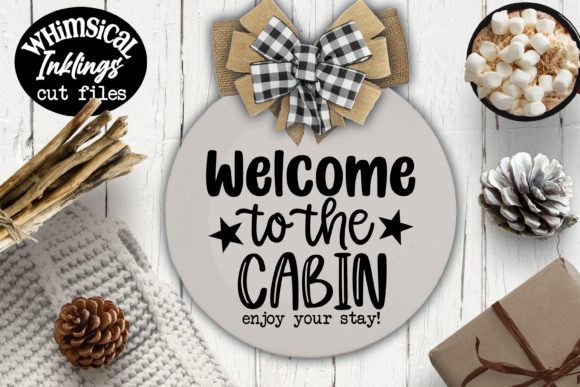
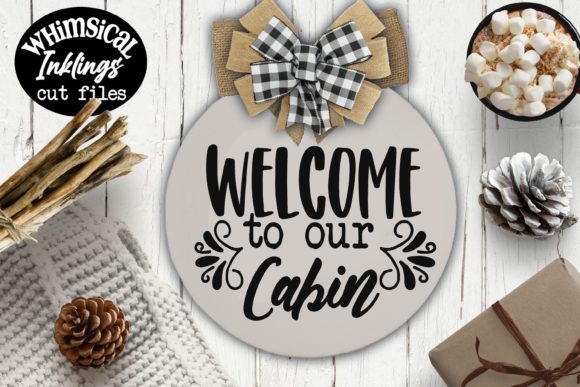
The first thing that strikes me about Welcome to Our Cabin is its inherent warmth. In the world of home decor and apparel, mood is everything. This design does not scream for attention; instead, it invites it. The layout suggests a rustic, cozy aesthetic that aligns perfectly with the current trend of cabin-core and nature-inspired living. For a designer, this is a strong starting point because it targets a specific, passionate audience.
Visually, the balance between text and imagery appears thoughtful. When evaluating design assets like this, I look for clarity. Does the message get lost in the details? In this case, the quote serves as the anchor. It is ideal for creating a sense of place. Whether you are stitching it onto a throw pillow for a vacation rental or adding it to a tote bag for a local market, the emotional resonance is immediate. It feels less like a generic clipart and more like a curated piece of art, which is crucial for building trust with buyers who value handmade products.
Real-World Application: The Tote Bag Test
To truly understand the potential of Welcome to Our Cabin, I imagined a specific project: a heavy-duty canvas tote bag intended for a weekend getaway. This is a common request for small shop owners. The goal is to create a durable, stylish accessory that acts as both a functional item and a souvenir.
In this scenario, the design performs well as a central focal point. Canvas provides a stable surface, allowing the stitches to sit cleanly without puckering. I envision using a combination of satin stitch for the lettering to give it a raised, premium feel, and perhaps a fill stitch for any accompanying graphical elements like trees or mountain silhouettes. The contrast between the smooth satin text and the textured fabric creates a tactile experience that customers love.
However, scale is critical. On a tote, you have room to breathe. But if you were to shrink this same design for a embroidered patch or a pocket on a sweatshirt embroidery project, you would need to be careful. Tiny details can disappear or merge together when reduced. I always recommend creating a test stitch-out on scrap fabric before committing to your final product. This simple step saves time, thread, and frustration.
Navigating Fabric and Stitch Challenges
One of the most important aspects of reviewing any embroidery file is understanding its limitations. Welcome to Our Cabin is versatile, but it is not magic. It requires the right environment to shine. Here are a few technical considerations for designers and makers:
- Fabric Texture: This design likely relies on clear lines. Avoid highly textured fabrics like thick bouclé or loose-weave linen unless you use a strong cut-away stabilizer. The texture of the fabric can interfere with the visibility of fine running stitch details.
- Stitch Density: If the graphical elements are dense, be mindful of fabric distortion. On thin materials like a baby onesie for baby embroidery, high density can cause pulling. You may need to adjust the density settings in your software or choose a heavier fabric like interlock knit.
- Curved Surfaces: Applying this to a cap or hat requires expertise. The curvature of the front panel can distort horizontal lines. Ensure the design is centered and consider using a backing stabilizer that provides extra support during the stitching process.
- Color Contrast: The success of this design depends heavily on your thread colors. On dark fabrics, ensure your text is light enough to read. On light fabrics, avoid threads that blend in too much. I often test designs in black and white mockups first to check for legibility regardless of color choice.
Commercial Viability and Brand Consistency
For those running a small shop product line or selling on platforms like Etsy, consistency is key. Welcome to Our Cabin fits seamlessly into a brand identity focused on nature, family, and comfort. It works beautifully for holiday embroidery projects, such as Christmas ornaments or Thanksgiving table runners, but its appeal is year-round.
When you use high-quality Illustrations and Graphics like this, you elevate the perceived value of your finished product. Customers are willing to pay more for items that look professional and thoughtful. A sloppy stitch-out can ruin a sale, but a crisp, well-executed design builds loyalty. This particular design encourages repeat purchases because it evokes a feeling of belonging. Imagine offering it as part of a set: a matching towel, apron, and pillow cover. That is how you turn a single embroidery project into a cohesive collection.
Practical Notes for the Serious Maker
Before you load this design into your machine, take a moment to review the technical specs. Since the product description notes that these images come to you as graphics, verify the format. Is it a native machine file (like PES, DST, or JEF) or a vector graphic that needs digitizing? If it is already digitized, check the recommended hoop size. Trying to force a large design into a small hoop will result in poor quality.
Also, confirm the licensing terms. Can you use this for commercial embroidery? Most designers allow you to sell physical items made with their designs, but reselling the digital file itself is usually prohibited. Always read the license agreement to protect your business.
Finally, think about your audience. Who is buying this? Is it a gift for a new homeowner? A treat for a family reunion? Understanding the end-user helps you choose the right garment and thread palette. Welcome to Our Cabin is more than just a pattern; it is a tool for connection. Use it wisely, test it thoroughly, and let your craftsmanship do the rest.
In conclusion, this design offers a solid foundation for a variety of creative endeavors. From custom apparel to home accents, it brings a touch of rustic charm that is currently in high demand. Just remember: the best results come from preparation, proper stabilization, and a keen eye for detail. Happy stitching.