Bulldog Dad: A Designer’s Review for Embroidery Projects
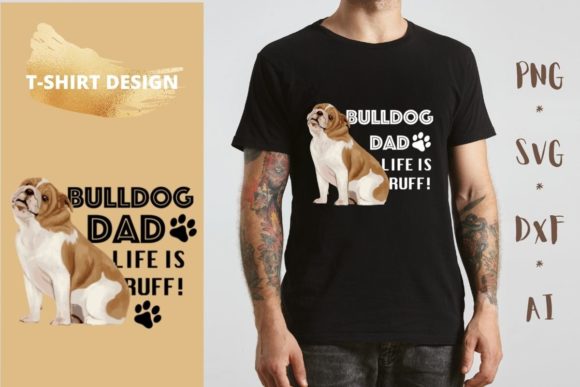
As an embroidery designer who has spent years digitizing files and testing them on everything from stiff canvas to delicate knits, I approach every new machine embroidery design with a mix of curiosity and skepticism. We have all seen designs that look fantastic on a screen but turn into a tangled mess of thread breaks and puckering once they hit the fabric. That is why I took a close look at Bulldog Dad, specifically the "Life Is Ruff" illustration, to see if it holds up under the needle.
This isn't just about aesthetics; it is about functionality. When you are running a craft business or selling on Etsy, your reputation hinges on the quality of the finished product. If a design looks cute in a printable mockup but fails in production, it costs you time, materials, and customer trust. Here is my practical assessment of how this graphic performs in real-world scenarios.
First Impressions and Visual Personality
The first thing that strikes me about Bulldog Dad is its approachable, rugged charm. The combination of a bulldog illustration with the pun "Life Is Ruff" creates an immediate emotional connection. It appeals to dog lovers, fathers, and anyone who appreciates a bit of humor in their wardrobe. From a layout perspective, the balance between the image and the text is crucial. In many poorly designed graphics, the text overwhelms the image or vice versa. Here, the elements seem to coexist well, suggesting that the original creator understood visual hierarchy.
Since this product is categorized under Print Templates and Graphics, and notably features an editable source vector file in AI format, it offers a level of flexibility that pre-digitized files often lack. For a designer, this is a significant advantage. It means you are not stuck with a fixed size or stitch pattern if you choose to digitize it yourself or adjust the vector before sending it to your digitizing software. This adaptability allows you to tailor the design assets to specific client needs, whether they want a subtle chest logo or a bold back print.
Real-World Application: The Tote Bag Test
To truly evaluate a design, you have to imagine it on a physical item. Let’s consider a common small shop product: a heavy cotton tote bag. This is a popular item for Etsy sellers and boutique owners. A tote bag provides a large, flat surface area, which is ideal for showcasing the details of the bulldog illustration.
If I were stitching this onto a natural canvas tote, I would pay close attention to the thread colors. Bulldogs typically have fawn, white, or brindle coats. Choosing the right shade of tan or cream thread against a natural beige canvas requires careful contrast management. If the tones are too similar, the design will vanish. However, if you opt for a navy or black tote, the lighter threads of the bulldog will pop, creating a striking visual. The "Life Is Ruff" text needs to be legible from a distance, so ensuring the font weight is substantial enough to withstand the texture of the canvas is key.
This design also translates well to custom apparel. Imagine it on a heather grey sweatshirt. The soft texture of the fleece complements the cozy, domestic vibe of the "Dad" theme. For sweatshirt embroidery, you must consider the stretch of the fabric. A stable stabilizer is non-negotiable here to prevent the design from distorting after washing. Because the design includes both illustrative elements and text, it likely requires a mix of fill stitch for the dog’s body and satin stitch or column stitches for the lettering. This combination adds textural interest to the garment, elevating it from a simple print to a premium handmade product.
Navigating Technical Challenges
While Bulldog Dad is visually appealing, there are technical considerations that every embroiderer must address. The devil is always in the details, particularly when dealing with small elements.
- Hoop Size and Scaling: Before you start, confirm the optimal hoop size. If you shrink the design too much to fit a small pocket area on a shirt, the fine details of the bulldog’s face and the smaller letters in the quote may become indistinguishable blobs of thread. Always test the design at the intended size on scrap fabric first.
- Fabric Texture: Textured fabrics like terry cloth towels or waffle-knit shirts can swallow up fine details. If you are using this for holiday embroidery on kitchen towels, consider increasing the stitch density slightly or simplifying the design if you have the ability to edit the vector source. Conversely, on smooth fabrics like polyester performance wear, ensure your stabilizer is cut correctly to avoid tunneling.
- Dark Fabrics: Stitching light-colored designs on dark fabrics often requires an underlay or a backing patch to prevent the fabric color from showing through the stitches. If you are making a personalized gift on a black t-shirt, plan for a white underlay to make the bulldog illustration vibrant and clear.
- Curved Surfaces: Applying this to caps or hats requires extra caution. The curvature of the cap can distort the horizontal alignment of the text. You may need to adjust the pull compensation in your digitizing software if you are converting the vector yourself, or choose a placement on the cap where the curve is minimal.
Commercial Viability and Brand Consistency
For those using this as part of a commercial embroidery strategy, consistency is vital. If you are building a brand around pet-themed apparel, Bulldog Dad fits seamlessly into that niche. It appeals to a specific demographic that is often willing to pay a premium for high-quality, relatable designs. The humor in the "Life Is Ruff" quote makes it an excellent conversation starter, which can increase engagement on social media when you post photos of your embroidered patch or finished garments.
However, because this is provided as a vector file (AI) and described under Graphics, you must ensure you have the rights to use it for commercial purposes if you are selling the physical embroidered items. If you are digitizing it yourself from the vector, you have full control over the embroidery file creation, allowing you to optimize stitch paths for speed and quality. This control is invaluable for high-volume production where machine time equals money.
Practical Designer Notes for Best Results
To get the most out of this design, follow these practical steps before committing to your final fabric:
- Test on Scrap: Never skip the test stitch. Use the same fabric and stabilizer combination you plan to use for the final product. Check for thread breaks, nesting, and registration issues between the dog and the text.
- Check Contrast: View your thread color choices in black and white. If the design loses its definition in grayscale, you need to adjust your color palette for better visibility.
- Review Stitch Density: If you are digitizing from the vector, ensure the fill areas are not too dense, which can cause stiffness and fabric distortion. Aim for a balance that covers the fabric without weighing it down.
- Verify Licensing: Since this is a digital asset, double-check the license terms regarding resale of finished goods versus resale of the digital file itself. Most licenses allow selling finished physical items but prohibit reselling the digital file.
- Consider the Audience: This design works well for Father’s Day, birthdays, or just everyday wear. Tailor your marketing messages to highlight the emotional connection between dads and their dogs.
In conclusion, Bulldog Dad is a strong contender for your next embroidery project. Its blend of humor and heartwarming imagery makes it versatile for various applications, from baby embroidery on onesies (if scaled appropriately) to robust tote bag design statements. By paying attention to the technical details of stitching and fabric selection, you can transform this graphic into a high-value item that customers will love to wear and share. It is a reminder that good design is not just about what you see, but how it feels and functions in the real world.